

Hospis Buona Vita

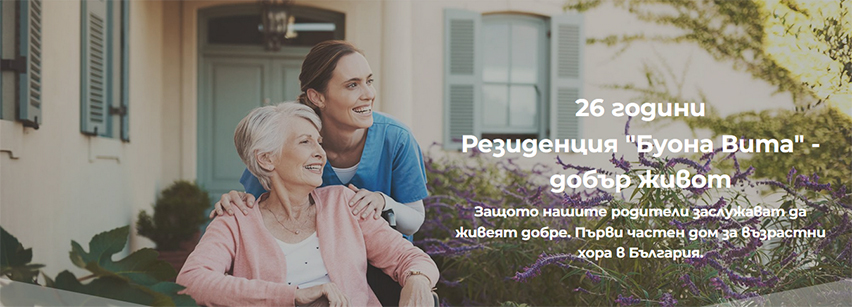
The first private home for elderly people in Bulgaria, "Buona Vita" ("Good Life") – an active day centre with a function similar to that of a hospice – was opened on 09.10.1999 by Dr. Hristovi in the Knyazhevo district of Sofia. It was the first home for elderly people licensed by the Ministry of Social Affairs and registered under the Social Assistance Act.
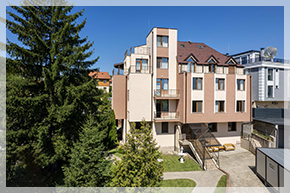
Later, homes for elderly people were opened in the town of Bankya and in the Boyana district of Sofia. Following Bulgaria's full membership in the European Union, it became necessary to introduce and comply with all European standards and regulations.
On 01.09.2008, in Gorna Banya – Sofia, a new home for elderly people owned by Dr. Hristovi opened its doors. It was built according to a specially prepared architectural project and fully complies with the relevant European requirements, while all previously existing homes were closed.
This home, with the additional function of a day centre or hospice, was created as an alternative to the traditionally known homes for elderly people, with one humane and noble goal – to provide living conditions in which elderly residents receive care and services at a qualitatively different level, with a different approach to human relations, a comfortable living environment, nutrition tailored to their individual health condition, and a flexible daily routine.
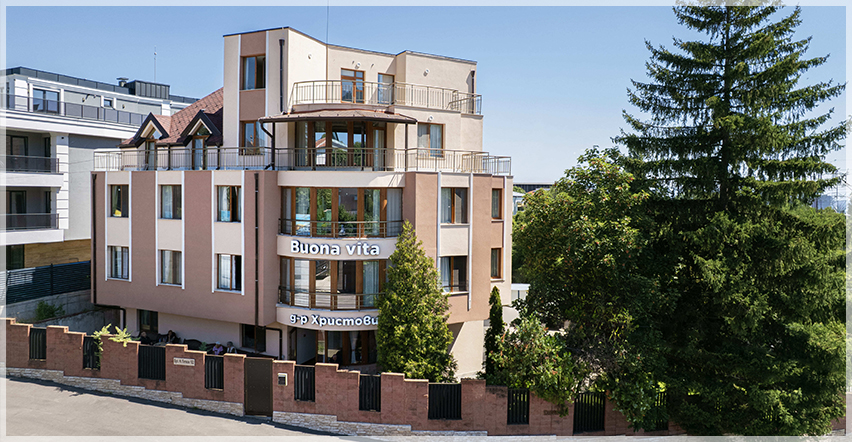
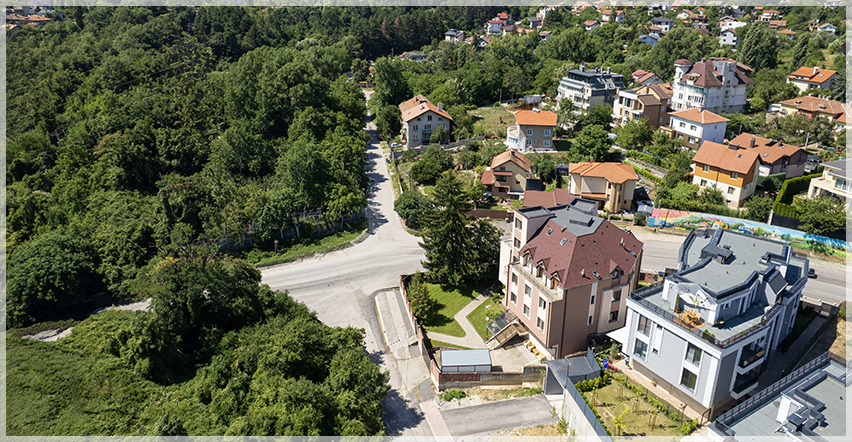
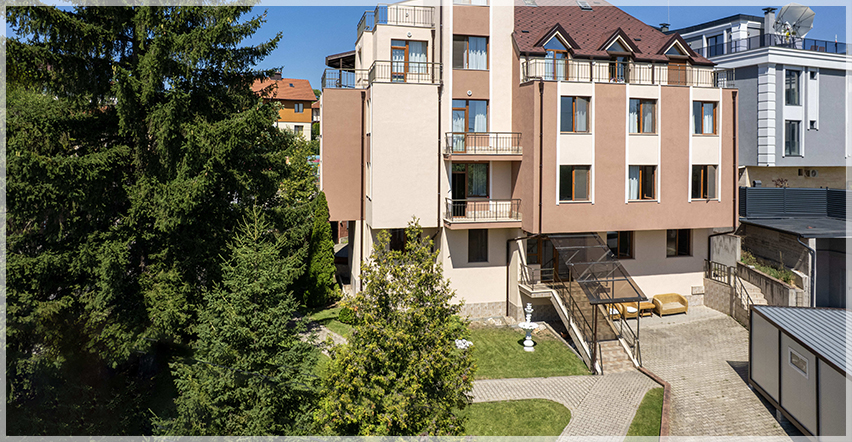
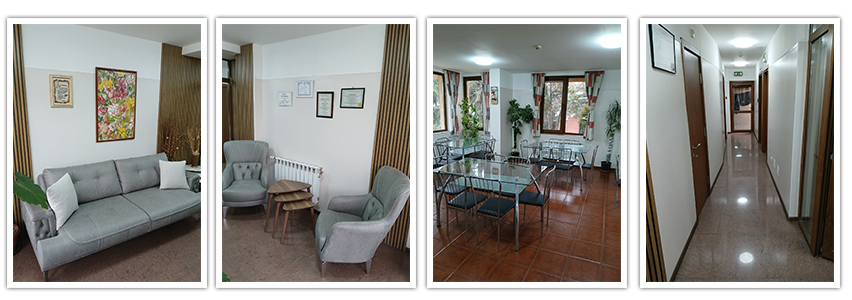
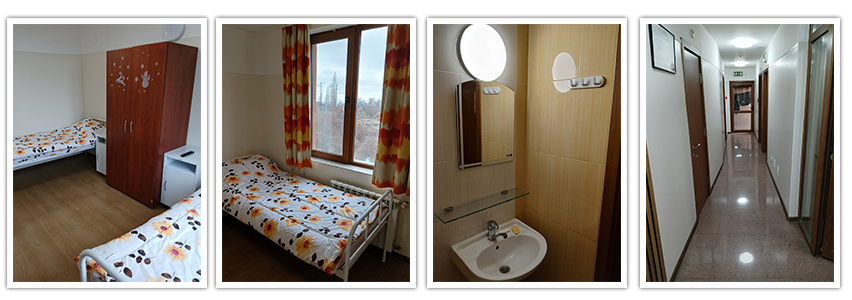
Drawing on the experience gained during his two-year stay at a social care home in Italy, Dr. Hristov introduced to Bulgaria the best practices in the care, support and socialisation of elderly residents. Residents enjoy all the necessary amenities – rooms with private bathrooms, television with cable TV, a hydraulic lift for six people, a living room with a dining area, while a 24-hour video surveillance system monitored from the medical room and a fire alarm system ensure their safety.
The courtyard and park area surrounding the building provide opportunities for relaxation and walks in the fresh air. Holiday concerts and celebrations are organised. It is important to note the constant 24-hour supervision of the residents, the well-organised work process, and especially the prompt response in emergency situations. Daily and weekly meal plans are prepared according to each resident's individual health condition, and appropriate diets are provided. For care purposes, residents are divided into three groups: 1) independent residents (ambulatory people capable of self-care); 2) people who require assistance from staff to move around (with an attendant); 3) bedridden residents who require care and services in their rooms, including the necessary medical procedures similar to those required in a hospice.
Following an in-depth conversation and meeting at the "Buona Vita" home for elderly people between the management and the relatives of a newly admitted resident, an individual plan is prepared. The future resident is classified into one of the three groups above, and an individual care plan is developed according to whether the person will receive services as a resident of a home for elderly people, a day centre, or a hospice. This allows the newly admitted person's family to feel confident and reassured about their loved one's care.
"We were the pioneers. Now we are setting a new standard for social care homes in Bulgaria. Because our parents deserve to live well. Because they are here for us. Think of them too."
Dr. Tanya and Vihren Hristovi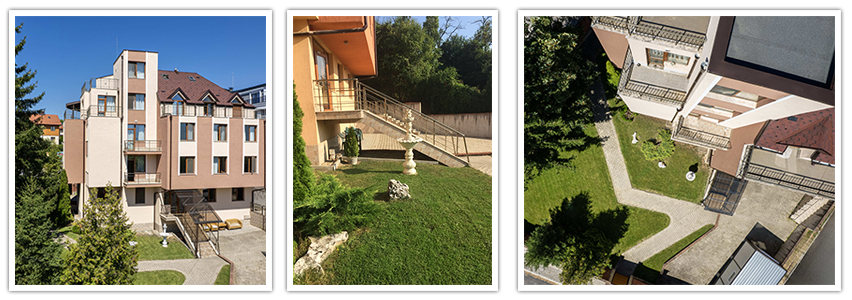
From the moment of admission to "Buona Vita", we provide continuous 24-hour supervision of the health condition of elderly residents. For this purpose, the entire team is involved, including:
- the residents' personal physician, with a medical practice and clinical laboratory
- consultant physicians (specialists who provide consultations on site at the home when necessary)
- highly qualified nurses – available to perform various medical procedures
- rehabilitation therapists – providing on-site rehabilitation procedures for people with neurological, orthopaedic and other conditions
- a social worker – supporting effective communication and the social adaptation of elderly residents
- care assistants with extensive experience in social care
Particularly important is the classification of newly admitted residents and the type of care and services they will receive according to their individual need for a home for elderly people, a day centre, or hospice care.
Cultural events are organised at the home – birthday celebrations, holiday events and concerts, with musical and folklore groups performing from all over the country. For residents with a strong interest in Bulgarian history and good physical condition, tourist excursions and visits to locations and monuments of cultural and historical significance are organised.

Video from Hospis Buona Vita
ПЪРВИ ЧАСТЕН ДОМ ЗА СТАРИ И ВЪЗРАСТНИ ХОРА БУОНА ВИТА - video 1
Hospis Buona Vita - industry:
Medicine and Health, Social activities, Homes for the elderly, Care for the elderly and sick people in their homes, Hospices,